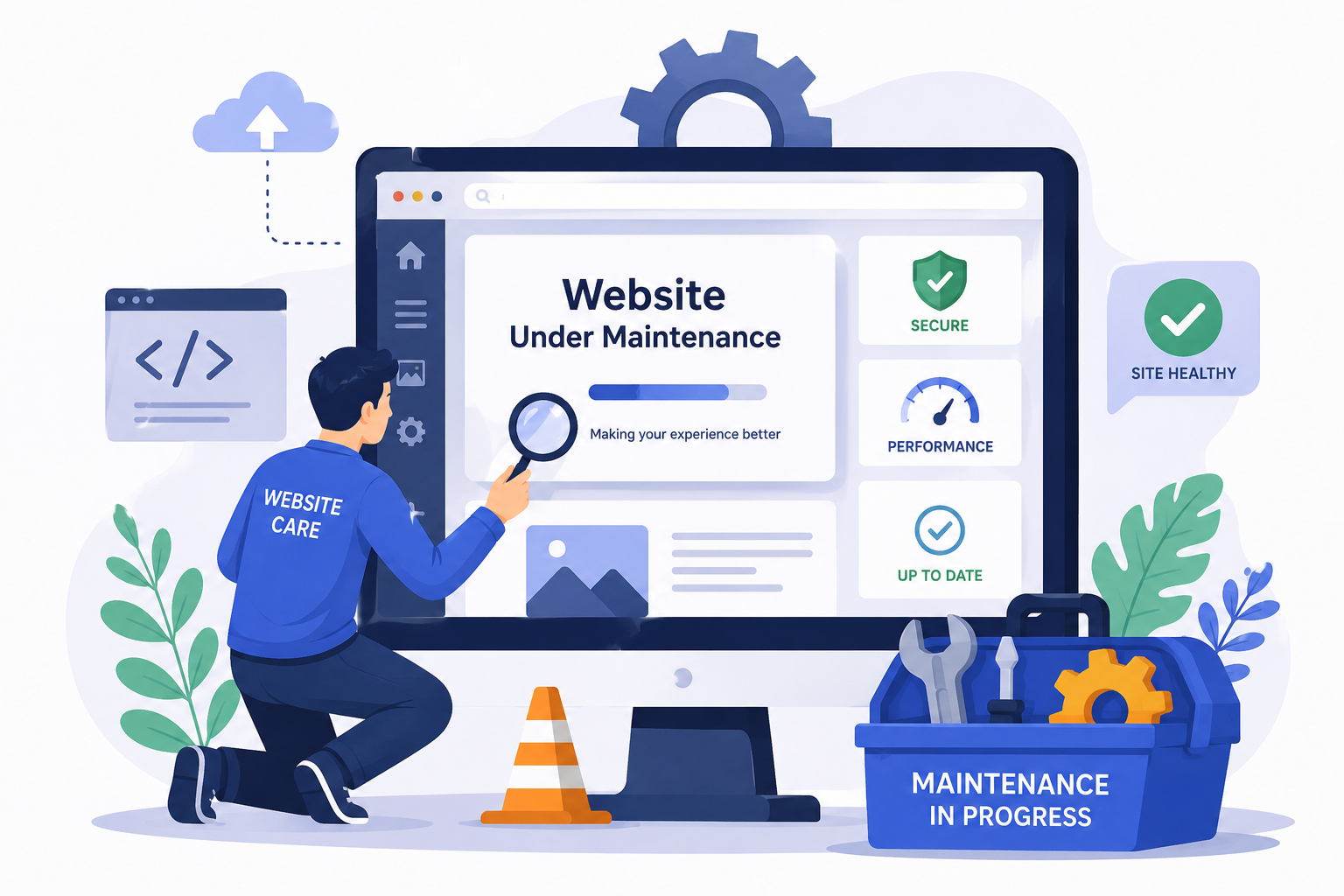
Top Website Maintenance Services: Keep Your Site Running Smoothly
Keep your website thriving with essential maintenance services. Discover how these top solutions ensure seamless performance and enhance user experience.
Understanding Website Maintenance
Website maintenance is an ongoing process of checking, updating, and managing your website to ensure it remains functional, secure, and relevant to users. Just like any other technological asset, a website requires consistent attention and upkeep to operate efficiently. This involves a wide range of activities, from updating software and fixing bugs to improving performance and adapting to new industry standards
Regular maintenance is essential to prevent issues that could affect the user experience, such as slow load times, broken links, or outdated content. It's not just about keeping the site up and running; it's about making sure it remains an effective tool for your business or personal brand. A well-maintained website can attract more visitors, encourage longer stays, and ultimately lead to higher conversion rates.
Ignoring website maintenance can lead to serious problems down the line. Security vulnerabilities can be exploited, leading to data breaches or site defacements. Performance can degrade, causing slow load times that frustrate users and drive them away. By committing to regular website maintenance, you can avoid these pitfalls and ensure your site remains a valuable asset.
Importance of Regular Website Maintenance
The importance of regular website maintenance cannot be overstated. Websites are dynamic entities, subject to a variety of changes over time. These changes can be internal, such as updates to the content management system (CMS) or plugins, or external, like shifts in user behavior or search engine algorithms. Keeping up with these changes is crucial for maintaining your site's functionality and relevance.
Security is one of the most critical reasons for regular maintenance. Cyber threats are constantly evolving, and a site that isn't regularly updated is more vulnerable to attacks. Routine maintenance helps to identify and fix security vulnerabilities, ensuring that your site is protected against the latest threats. This not only protects your data but also builds trust with your visitors, who will feel more secure using your site.
Another important aspect is performance optimization. Regular maintenance tasks like clearing out old data, optimizing images, and updating software can significantly improve your site's speed and responsiveness. A faster, more efficient site enhances the user experience, leading to higher engagement and better SEO rankings. In today's competitive digital landscape, these improvements can make a substantial difference in your site's success.
Key Website Maintenance Tasks
Effective website maintenance involves a variety of tasks, each contributing to the overall health and performance of your site. One of the most fundamental tasks is updating the CMS, plugins, and themes. These updates often include security patches and performance enhancements, making them essential for keeping your site secure and efficient.
Another crucial task is content management. This involves regularly reviewing and updating your site's content to ensure it remains relevant and valuable to your audience. Outdated content can harm your SEO rankings and make your site look neglected. Regularly adding new content, such as blog posts or news updates, can keep your site fresh and engaging, encouraging repeat visits from users.
Monitoring your site's performance is also a key aspect of maintenance. This includes checking for broken links, slow load times, and other issues that can affect the user experience. Tools like Google Analytics can provide valuable insights into how your site is performing and where improvements can be made. By regularly monitoring and addressing these issues, you can ensure your site remains fast, functional, and user-friendly.
Types of Website Maintenance Services
Website maintenance services can be broadly categorized into several types, each focusing on different aspects of your site's upkeep. One of the most common types is technical maintenance, which involves tasks like software updates, security checks, and performance optimization. This type of maintenance is essential for keeping your site running smoothly and securely.
Content maintenance is another important category. This involves regularly updating your site's content to keep it relevant and engaging. This can include adding new blog posts, updating product information, and ensuring that all links and media are functioning correctly. Content maintenance is crucial for maintaining your site's SEO rankings and providing a positive user experience.
There are also specialized maintenance services that focus on specific areas, such as e-commerce maintenance or SEO maintenance. E-commerce maintenance involves tasks like updating product listings, managing inventory, and ensuring a seamless checkout process. SEO maintenance focuses on optimizing your site's content and structure to improve search engine rankings. Depending on your site's needs, you may require one or more of these specialized services.
How to Choose the Right Website Maintenance Service
Choosing the right website maintenance service is crucial for ensuring your site receives the care it needs. The first step is to assess your site's specific needs. Consider factors like the size of your site, its functionality, and your budget. A small blog will have different maintenance needs than a large e-commerce site, so it's important to choose a service that can cater to your specific requirements.
Next, look for a service provider with a proven track record. Check for reviews, testimonials, and case studies that demonstrate their expertise and reliability. It's also a good idea to ask for recommendations from peers or industry contacts who have used similar services. A reputable service provider will have a history of satisfied clients and successful projects.
Finally, consider the level of support offered by the maintenance service. Look for a provider that offers comprehensive support, including regular updates, security monitoring, and performance optimization. It's also important to choose a service that provides clear communication and transparent reporting, so you always know what's being done to keep your site in top shape. By carefully evaluating your options, you can find a maintenance service that meets your needs and helps your site thrive.
Benefits of Professional Website Maintenance
Hiring a professional website maintenance service offers numerous benefits that can significantly enhance your site's performance and user experience. One of the most important benefits is peace of mind. With a professional service handling your site's maintenance, you can focus on other aspects of your business, knowing that your site is in good hands.
A professional maintenance service brings expertise and experience to the table. They are well-versed in the latest industry standards and best practices, ensuring that your site remains secure, efficient, and up-to-date. Their expertise can help prevent issues before they arise, saving you time and money in the long run.
Another key benefit is improved performance. Professional maintenance services use advanced tools and techniques to optimize your site's speed, functionality, and user experience. This can lead to higher engagement, better SEO rankings, and ultimately, more conversions. By investing in professional maintenance, you can ensure that your site remains a valuable asset for your business.
Common Website Maintenance Mistakes to Avoid
Despite the importance of website maintenance, many site owners make common mistakes that can undermine their efforts. One of the most frequent mistakes is neglecting regular updates. Failing to update your CMS, plugins, and themes can leave your site vulnerable to security threats and performance issues. It's crucial to stay on top of updates to ensure your site remains secure and efficient.
Another common mistake is ignoring performance issues. Slow load times, broken links, and other performance problems can frustrate users and drive them away from your site. Regularly monitoring your site's performance and addressing issues promptly is essential for maintaining a positive user experience.
Finally, many site owners fail to prioritize security. This can include neglecting to use strong passwords, failing to implement SSL certificates, or not conducting regular security audits. Security should be a top priority in your maintenance routine to protect your site and its users from potential threats. By avoiding these common mistakes, you can ensure your site remains secure, functional, and user-friendly.
Cost of Website Maintenance Services
The cost of website maintenance services can vary widely depending on several factors, including the size and complexity of your site, the type of maintenance required, and the service provider's expertise. On average, you can expect to pay anywhere from $50 to $500 per month for basic maintenance services. More comprehensive packages that include additional services like content updates, SEO optimization, and advanced security measures can cost upwards of $1000 per month.
It's important to consider the value that professional maintenance services provide when evaluating the cost. While it may be tempting to cut costs by handling maintenance yourself or choosing the cheapest option, this can often lead to more significant expenses down the line. Investing in quality maintenance services can save you time, reduce the risk of costly issues, and ultimately provide a better return on investment.
When budgeting for website maintenance, it's also important to factor in any additional costs that may arise. This can include fees for software licenses, security tools, or emergency repairs. By planning for these potential expenses, you can ensure that you have the resources needed to keep your site running smoothly.
DIY vs. Professional Website Maintenance
Deciding between DIY and professional website maintenance is a common dilemma for site owners. DIY maintenance can be a cost-effective option, especially for small sites with limited budgets. It allows you to have full control over your site's upkeep and can be a good learning experience. However, DIY maintenance requires a significant time investment and a good understanding of web technologies and best practices.
On the other hand, professional maintenance services offer expertise, convenience, and peace of mind. They can handle complex tasks, stay up-to-date with the latest industry standards, and provide comprehensive support. This can save you time and ensure that your site receives the best possible care. While professional services come at a cost, the benefits they provide often outweigh the expense.
Ultimately, the decision between DIY and professional maintenance will depend on your specific needs, budget, and technical proficiency. If you have the time and skills to handle maintenance yourself, DIY can be a viable option. However, for larger or more complex sites, or if you prefer to focus on other aspects of your business, professional maintenance services are likely the better choice.
Conclusion: Ensuring Your Website's Success Through Maintenance
In today's digital landscape, regular website maintenance is essential for ensuring your site's success. From keeping your site secure and functional to enhancing performance and user experience, maintenance plays a crucial role in your site's overall health and effectiveness. By understanding the importance of maintenance, choosing the right services, and avoiding common mistakes, you can ensure that your site remains a valuable asset for your business or personal brand.
Investing in professional website maintenance services can provide numerous benefits, including expertise, improved performance, and peace of mind. While the cost of these services can vary, the value they provide often makes them a worthwhile investment. Whether you choose to handle maintenance yourself or hire a professional service, it's important to prioritize regular upkeep to keep your site running smoothly.
By committing to regular website maintenance, you can protect your site from security threats, improve its performance, and provide a better experience for your users. This can lead to higher engagement, better SEO rankings, and ultimately, greater success for your site. Make maintenance a priority, and watch your website thrive.